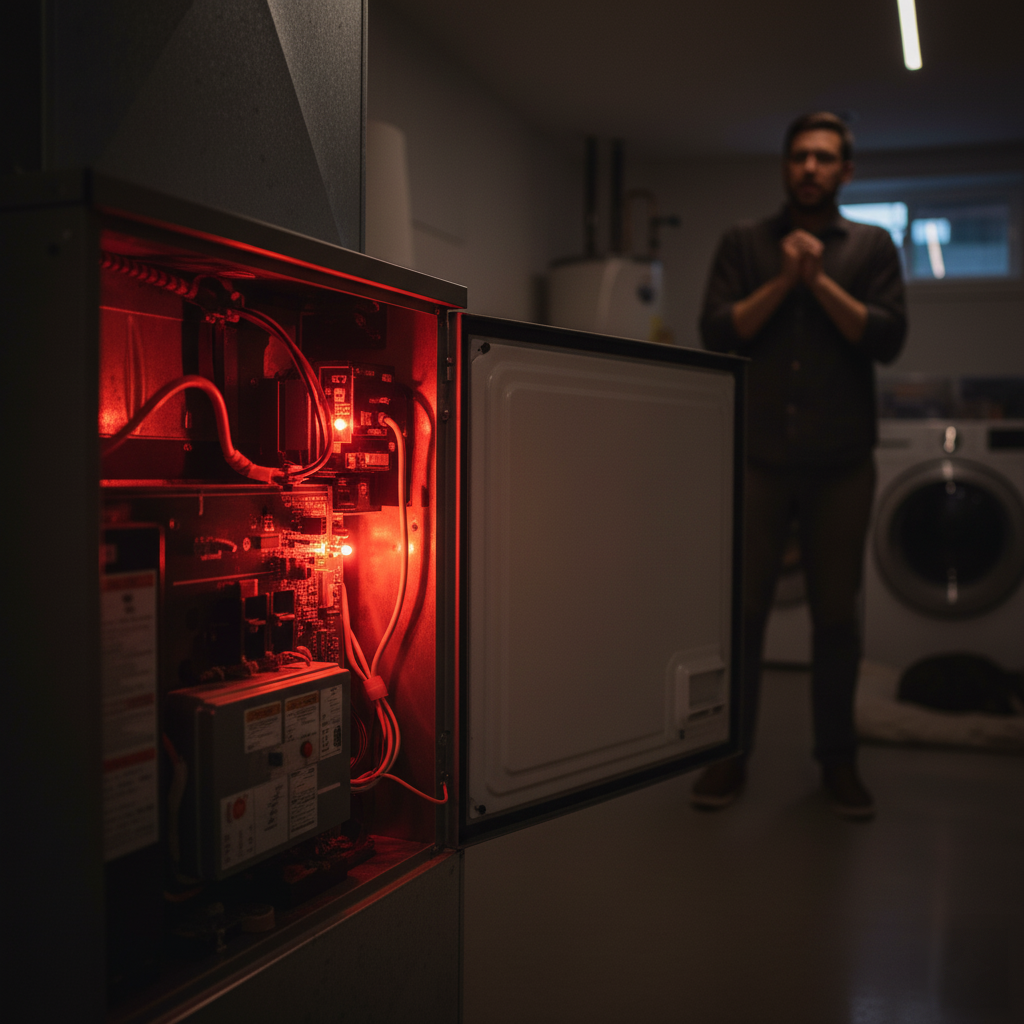
As Toronto homeowners prepare for another harsh winter, your furnace becomes the most critical system in your home. But what happens when your heating system starts showing signs of trouble? Recognizing warning signs early can mean the difference between a simple repair and a complete system failure on the coldest night of the year.
Most furnace failures don't happen suddenly—your system gives you warning signs that something is wrong. Learning to recognize these signals allows you to address problems proactively, avoiding expensive emergency repairs and ensuring your family stays warm and safe all winter long.
Here are five critical warning signs that your furnace needs professional attention before winter arrives.
Warning Sign #1: Strange Noises
Your furnace should operate relatively quietly, with just a gentle hum and the sound of air moving through vents. If you're hearing unusual sounds, your system is telling you something is wrong.
Banging or Booming Sounds
What it means: Loud banging or booming noises, especially when the furnace starts up, typically indicate delayed ignition. This happens when gas builds up before igniting, creating a small explosion in the combustion chamber.
Why it matters: Beyond being alarming, delayed ignition can damage your heat exchanger—one of the most expensive furnace components. It can also indicate dangerous gas buildup.
Urgency level: HIGH. Schedule professional service within days. This condition will worsen and could become dangerous.
Whistling or Screeching
What it means: High-pitched whistling or screeching usually points to belt problems (in older furnaces with belt-driven blowers) or issues with the blower motor bearings.
Why it matters: A failing blower motor or broken belt will eventually prevent air circulation entirely, leaving you without heat. The motor could also overheat and fail completely.
Urgency level: MEDIUM-HIGH. Address within 1-2 weeks before it fails completely during peak winter.
Rumbling or Rattling
What it means: Rumbling after the burner shuts off may indicate a cracked heat exchanger. Rattling sounds could mean loose ductwork, panels, or components.
Why it matters: A cracked heat exchanger can leak carbon monoxide into your home—an immediate safety hazard. Loose components will cause accelerated wear on other parts.
Urgency level: HIGH for rumbling (potential CO leak), MEDIUM for rattling.
Warning Sign #2: Uneven Heating Throughout Your Home
If some rooms in your home are comfortably warm while others remain cold, your furnace is struggling to do its job effectively.
What It Means
Uneven heating can indicate several problems:
- Ductwork leaks allowing heated air to escape before reaching certain rooms
- Blower motor problems preventing adequate air circulation
- Dirty or clogged air filter restricting airflow
- Improperly sized furnace for your home's layout
- Zone control system failures
- Thermostat placement or calibration issues
Why It Matters
Beyond the comfort issue, uneven heating forces your furnace to run longer to satisfy the thermostat, wasting energy and money. It also means your system is working harder than necessary, accelerating wear and shortening its lifespan. In Toronto's winter, rooms that can't maintain temperature pose risks of frozen pipes and property damage.
Urgency Level
MEDIUM. While not an immediate emergency, this should be addressed before sustained cold weather arrives. The problem will only worsen as winter progresses and demands on your system increase.
Warning Sign #3: Yellow or Flickering Pilot Light
If you have an older furnace with a standing pilot light, its color tells you important information about your system's operation and safety.
What It Means
A healthy pilot flame should be steady and blue, possibly with a yellow tip. A flame that is primarily yellow, orange, or flickering indicates incomplete combustion. This means the gas isn't burning properly, which can be caused by:
- Dirty burners
- Incorrect gas pressure
- Poor air-to-fuel ratio
- Ventilation problems
- Cracked heat exchanger
Why It Matters
This is one of the most serious warning signs. Incomplete combustion produces carbon monoxide—a colorless, odorless gas that can be fatal. Yellow or orange flames indicate your furnace is likely releasing CO into your home.
Other signs of carbon monoxide issues include:
- Soot buildup around the furnace
- Excessive moisture on windows
- Rust on pipes or other metal components
- Family members experiencing headaches, nausea, or flu-like symptoms that improve when leaving the house
Urgency Level
CRITICAL. This is an immediate safety hazard. Turn off your furnace and call a professional immediately. Ensure all carbon monoxide detectors in your home are working. If you suspect CO poisoning symptoms, evacuate and call 911.
Warning Sign #4: Rising Energy Bills
If your heating costs are significantly higher than previous winters, despite similar usage and weather conditions, your furnace is losing efficiency.
What It Means
Increased energy consumption without increased usage indicates your furnace is working harder to produce the same amount of heat. Common causes include:
- Dirty or clogged air filters forcing the system to work harder
- Aging components losing efficiency
- Ductwork leaks wasting heated air
- Thermostat malfunctions causing unnecessary cycling
- Burner problems preventing efficient combustion
- Blower motor issues affecting air circulation
Why It Matters
Beyond the immediate cost impact, declining efficiency signals that your furnace is struggling. As a Toronto homeowner, you'll face 5-6 months of heating season—inefficiency compounds dramatically over that period. A furnace running at 70% efficiency instead of 90% could cost you hundreds of extra dollars each winter.
Additionally, a furnace working harder than necessary experiences accelerated wear on all components, making eventual failure more likely—typically at the worst possible time.
Urgency Level
MEDIUM. While not an immediate emergency, addressing efficiency issues promptly saves money and prevents larger problems. Schedule professional maintenance before peak winter demand to restore efficiency and prevent breakdown.
Warning Sign #5: Frequent Cycling On and Off
If your furnace turns on and off more frequently than normal—running for just a few minutes at a time—it's experiencing a problem called short cycling.
What It Means
Short cycling occurs when your furnace reaches its high-temperature limit too quickly and shuts down before completing a full heating cycle. This can be caused by:
- Severely clogged air filter restricting airflow
- Oversized furnace for your home's heating needs
- Malfunctioning thermostat
- Flame sensor issues
- Heat exchanger problems
- Closed or blocked vents preventing proper air circulation
- Blower motor problems
Why It Matters
Short cycling is hard on your furnace. Starting up requires the most energy and creates the most stress on components. A furnace that cycles frequently will:
- Consume far more energy than necessary, dramatically increasing your bills
- Fail to heat your home evenly, as it shuts down before warm air reaches all rooms
- Experience accelerated wear on the ignition system, blower motor, and other components
- Likely fail prematurely, requiring expensive repairs or replacement
- Create temperature swings that make your home uncomfortable
In Toronto's winter, a short-cycling furnace may struggle to keep up with heating demands when temperatures plunge, leaving you without adequate heat at critical times.
Urgency Level
MEDIUM-HIGH. While you may still have heat, short cycling will quickly damage your furnace and is wasting significant energy. Address this within 1-2 weeks to prevent component failure during peak winter.
Don't Ignore These Warning Signs
If your furnace is showing any of these warning signs, don't wait for a breakdown to take action. Aire Master Heating and Cooling specializes in furnace repair and diagnostics for Toronto homeowners.
Our experienced technicians can quickly identify the source of problems and provide reliable repairs that restore your furnace to safe, efficient operation. We'll have your system running properly before winter's coldest days arrive.
Call us today at (416) 995-4747 to schedule a furnace inspection, or request service online.
When to Call for Emergency Service
Some situations require immediate professional attention, even in the middle of the night:
- Gas smell: If you smell gas, leave immediately and call your gas company's emergency line and 911.
- Carbon monoxide detector alarm: Evacuate immediately and call 911.
- No heat in extreme cold: When temperatures are below -10°C and your furnace has failed completely, this is an emergency—frozen pipes can cause thousands in damage.
- Smoke or burning smells: Shut down your furnace immediately and call for emergency service.
For these situations, Aire Master provides 24/7 emergency service to Toronto homeowners. Don't hesitate to call (416) 995-4747 anytime you need help.
Prevention is the Best Strategy
While recognizing warning signs is important, the best approach is preventing problems before they start. Regular professional maintenance—ideally every fall before heating season—catches most issues before they cause these warning signs.
During a professional maintenance visit, technicians will:
- Clean burners and flame sensors
- Inspect heat exchanger for cracks
- Test safety controls and carbon monoxide levels
- Lubricate motors and check electrical connections
- Verify proper gas pressure and combustion
- Optimize airflow and system efficiency
This proactive approach prevents most furnace problems and ensures reliable operation throughout Toronto's demanding winter season.
Final Thoughts
Your furnace provides critical comfort and safety for your Toronto home during six months of cold weather. Ignoring warning signs can lead to expensive emergency repairs, uncomfortable living conditions, and even dangerous situations.
If you notice strange noises, uneven heating, yellow flames, rising energy bills, or frequent cycling, don't wait—these problems worsen with time and will eventually fail when you need heat most. Schedule professional service now, while you have time to address issues properly and affordably.
Remember, a small repair today prevents a major breakdown tomorrow. Protect your investment, your comfort, and your family's safety by addressing furnace warning signs promptly.