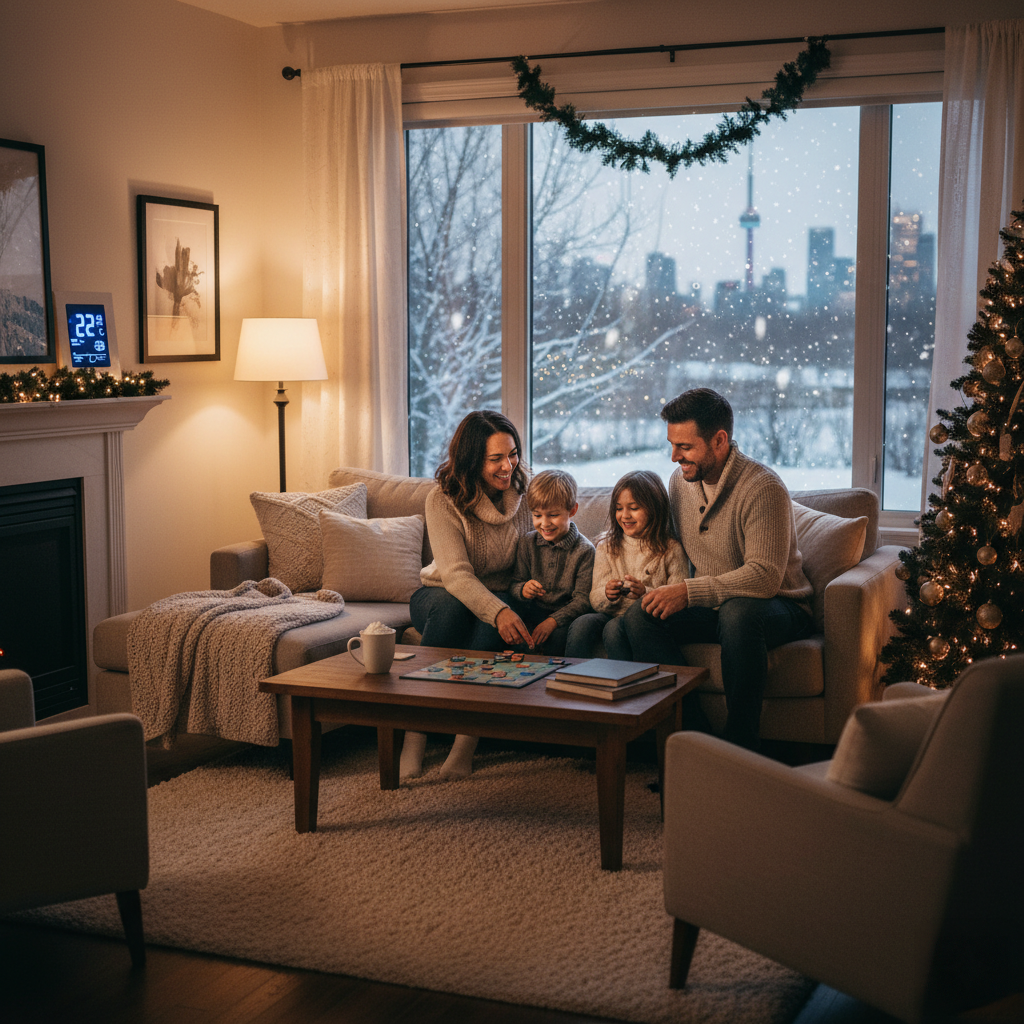
Toronto winters are expensive. Between November and March, the average GTA homeowner spends $1,500 to $2,500 on home heating—and that number keeps climbing with rising energy costs. The good news? You don't have to choose between comfort and affordability.
With a few smart strategies, Toronto homeowners can significantly reduce heating costs without turning their homes into iceboxes. These seven practical tips can save you hundreds of dollars this winter while keeping your family warm and comfortable.
1. Optimize Your Thermostat Settings
Your thermostat is the command centre for your heating costs. Small adjustments make a big difference.
The Magic Number: 20°C When Home, 18°C When Sleeping or Away
For every degree you lower your thermostat, you save approximately 2-3% on heating costs. That means reducing your temperature from 22°C to 20°C when you're home could save $60-$90 per winter.
Recommended settings for Toronto homes:
- Daytime (when home): 20°C
- Nighttime (sleeping): 17-18°C
- Away during day: 16-18°C
- Extended absence (vacation): 15°C minimum (never below 13°C to prevent pipe freezing)
Invest in a Programmable or Smart Thermostat
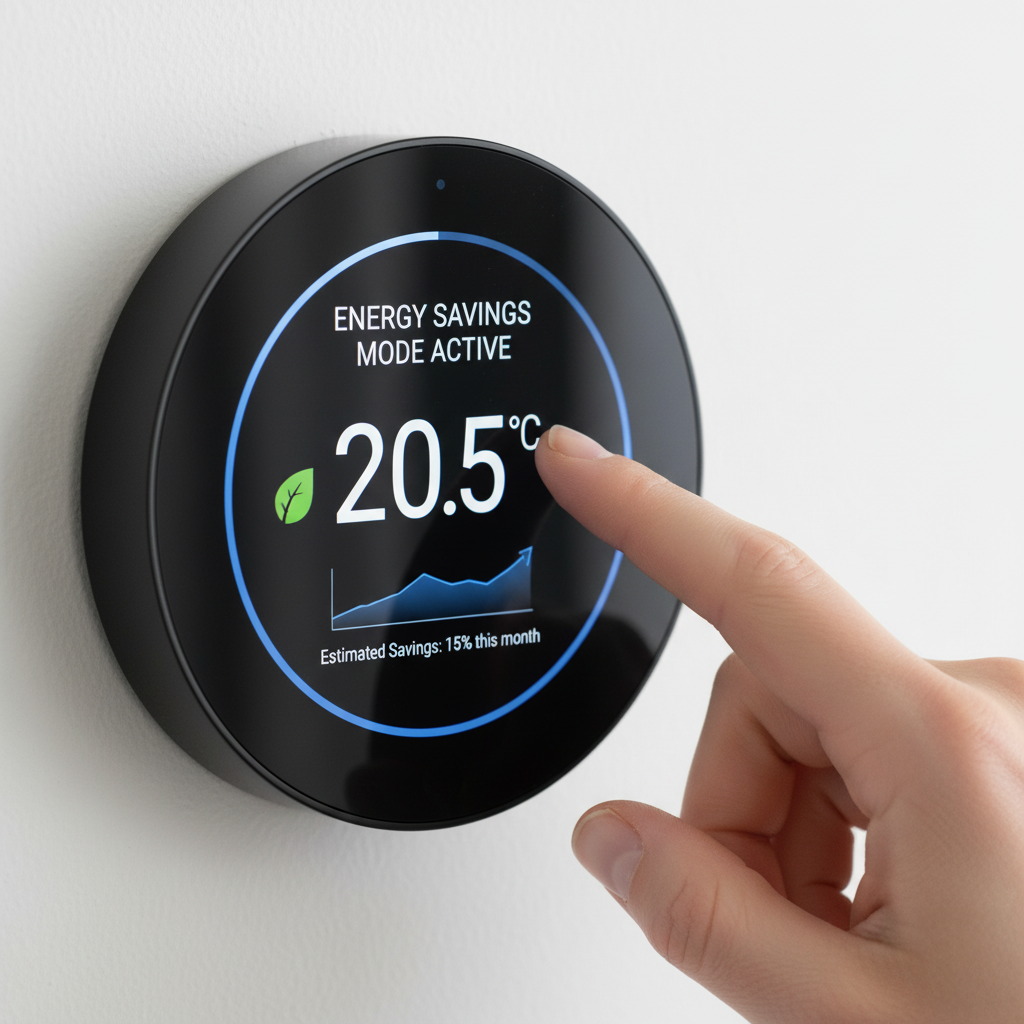
Programmable thermostats automatically adjust temperature based on your schedule. They cost $100-$300 but typically pay for themselves in the first winter.
Smart thermostats like Nest, Ecobee, or Honeywell go further:
- Learn your patterns and automatically optimize
- Adjust based on outdoor temperature
- Control remotely via smartphone
- Provide detailed energy usage reports
- Often qualify for utility rebates ($50-$100)
Toronto savings tip: Take advantage of Ontario's variable electricity rates by programming your thermostat to reduce heating during peak price hours (typically 7-11am and 5-7pm weekdays).
2. Don't Ignore Your Furnace Filter
This is the simplest, cheapest way to reduce heating costs—yet most homeowners neglect it.
A dirty filter forces your furnace to work 10-15% harder to push air through your system. That's like throwing away $150-$375 every winter.
Filter Maintenance Schedule:
- Basic disposable filters: Replace monthly during heating season
- Pleated filters: Replace every 2-3 months
- High-efficiency filters: Replace every 3-6 months
- Washable filters: Clean monthly
Set a phone reminder for the first of each month. Filters cost $5-$20—a small price for hundreds in savings.
3. Seal Air Leaks and Improve Insulation
Toronto homes, especially older ones, lose massive amounts of heat through air leaks. It's like heating the outdoors.
Common Air Leak Locations:
- Around windows and doors
- Basement rim joists
- Attic hatches
- Electrical outlets on exterior walls
- Where pipes and wires enter your home
- Fireplace dampers
- Mail slots
Easy DIY Sealing Projects:
Weatherstripping (Cost: $50-$100, Savings: $200-$400/year):
Add weatherstripping to exterior doors and windows. Focus on your front and back doors first—these often have the biggest gaps.
Caulking (Cost: $20-$40, Savings: $100-$200/year):
Seal gaps around windows, door frames, and anywhere different building materials meet. Use paintable acrylic latex caulk for interior, silicone for exterior.
Window Film (Cost: $30-$80, Savings: $75-$150/year):
Plastic window film kits create an insulating air pocket. They're particularly effective on single-pane windows common in older Toronto homes.
Door Sweeps (Cost: $15-$30 each, Savings: $50-$100/year):
Install door sweeps on exterior doors to block drafts. You should not see daylight under your doors!
Professional Insulation Upgrades:
If your home was built before 1980, it likely has inadequate insulation by today's standards:
- Attic insulation: Should be R-50 to R-60 in Toronto. Most older homes have R-20 or less. Adding insulation costs $1,500-$3,000 but saves $300-$500 annually.
- Basement insulation: Many Toronto basements have no insulation. Adding it costs $2,000-$5,000 and saves 15-20% on heating.
- Wall insulation: Blown-in insulation can be added to existing walls. Costs vary but savings are significant in older homes.
4. Use Your Home's Natural Heat Wisely
Free heat is everywhere—you just need to harness it.
Maximize Solar Gain:
Even in winter, sun through south-facing windows can significantly warm your home.
- During the day: Open curtains and blinds on south-facing windows to let sunlight in
- At night: Close heavy curtains to create an insulating barrier against cold windows
- Clean windows: Dirty windows block up to 25% of available sunlight
Leverage Heat from Daily Activities:
- After cooking: Leave the oven door open to release heat (gas ovens should be off first)
- After showering: Leave bathroom door open to let steam heat adjacent rooms
- Dishwasher: Open it after the wash cycle to let moisture and heat escape
Ceiling Fans for Heat Redistribution:
Warm air rises. In winter, run ceiling fans on low speed clockwise (reverse) to push warm air back down. This can make rooms feel 2-3 degrees warmer without adjusting your thermostat.
5. Practice Strategic Heating Zone Control
Not every room needs the same temperature all the time.
Close Vents in Unused Rooms:
Guest bedrooms, storage rooms, and rarely used spaces don't need full heat. Close vents and doors to these areas.
Important: Don't close more than 20-30% of your vents, as this can damage your furnace. Focus on truly unused spaces.
Use Draft Stoppers and Door Seals:
Keep warm air in living spaces and out of unheated areas like garages and basements by sealing connecting doors.
Consider Zoned Heating:
If you have a two-story home or large square footage, a zoned heating system with multiple thermostats can save 20-30% on heating costs by only heating occupied areas. Initial cost is $1,500-$3,500, but savings add up quickly.
6. Schedule Professional Furnace Maintenance
A well-maintained furnace runs 15-20% more efficiently than a neglected one. That's $225-$500 in savings annually.
What Professional Maintenance Includes:
- Cleaning burners and heat exchangers
- Calibrating thermostat
- Testing and adjusting airflow
- Lubricating moving parts
- Checking and tightening electrical connections
- Measuring and adjusting gas pressure
- Identifying small problems before they become expensive repairs
Cost: $150-$200 annually
Savings: $200-$500 annually
ROI: Maintenance pays for itself plus profit
Schedule maintenance in September or early October, before HVAC companies get busy and before you need your furnace running full-time.
Want Professional Energy Savings Advice?
Aire Master Heating and Cooling provides comprehensive furnace tune-ups and energy efficiency assessments for Toronto homeowners. Our technicians can identify specific opportunities to reduce your heating costs while improving comfort.
Call (416) 995-4747 to schedule your fall furnace maintenance.
7. Upgrade to High-Efficiency Equipment (When the Time Comes)
If your furnace is 15-20+ years old, you're wasting money every month it continues running.
The Efficiency Gap:
Old furnace (15-20 years old, 80% AFUE): $2,000-$2,500/winter
New high-efficiency furnace (96-98% AFUE): $1,500-$1,900/winter
Annual savings: $500-$600
A new furnace costs $4,000-$7,000 but:
- Saves $500+ annually
- Pays for itself in 8-12 years
- Lasts 15-20 years, providing $7,500-$12,000 in lifetime savings
- May qualify for rebates and low-interest financing
- Improves comfort and safety
Other High-Efficiency Upgrades:
- Heat pump: Can reduce heating costs 30-40% compared to traditional furnaces in moderate climates. Technology improvements make them viable even in Toronto winters.
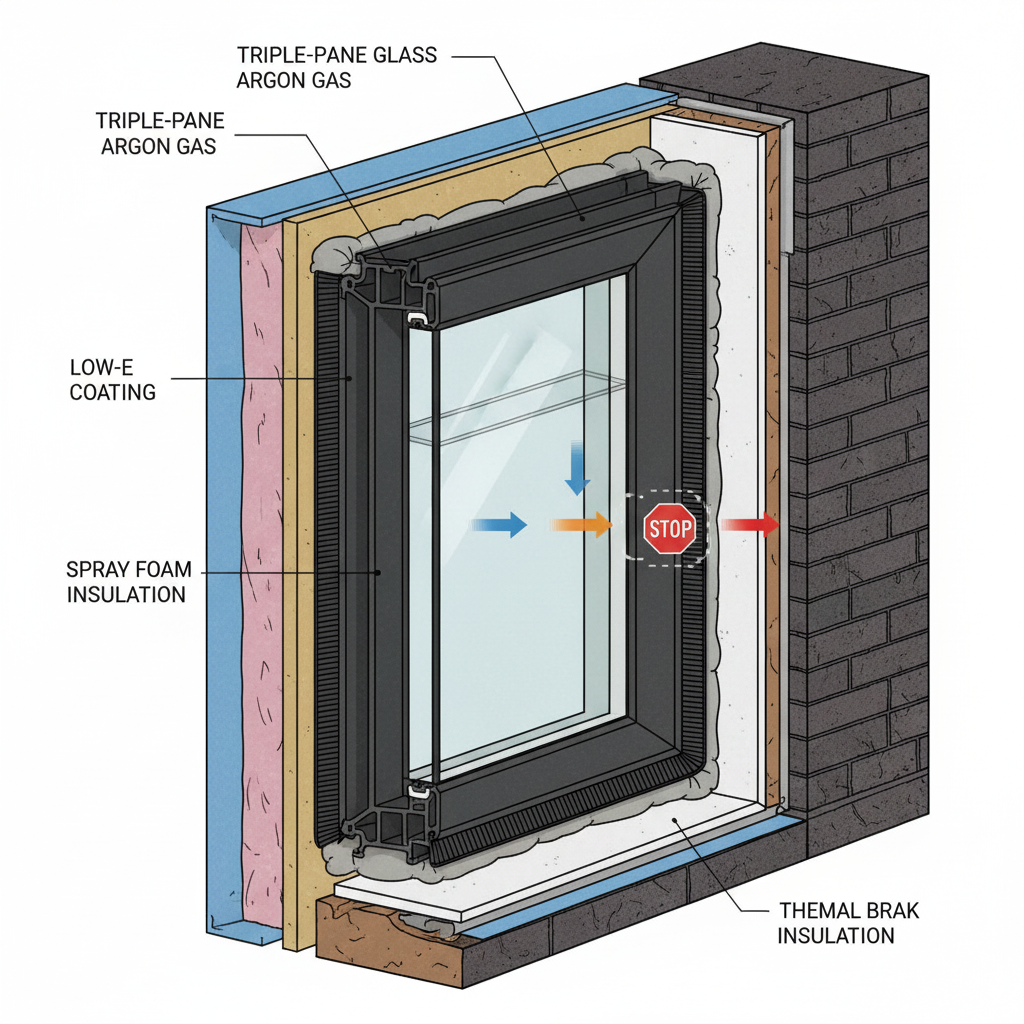
- High-efficiency windows: Triple-pane windows with low-E coating reduce heat loss by 40-50% compared to single-pane windows.
- Tankless water heater: Saves 20-30% on water heating costs (15-20% of total energy bill).
Bonus Tips for Maximum Savings
Humidity Control:
Humid air feels warmer than dry air. A whole-home humidifier ($300-$600) lets you keep your thermostat 2-3 degrees lower while maintaining comfort. That's an extra $60-$150 in savings.
Strategic Space Heater Use:
If you spend most of your time in one room, a small electric space heater (used safely!) can let you lower your whole-home thermostat while keeping your immediate space warm. This works best in smaller homes or if your family congregates in one area.
Safety note: Never leave space heaters unattended, keep them away from flammable materials, and don't overload electrical circuits.
Dress for the Season:
It sounds obvious, but wearing warm clothing at home can make 18-19°C feel comfortable. Slippers, sweaters, and throw blankets can reduce your need for higher thermostat settings.
Hot Water Tank Insulation:
If your water heater is in an unheated space (garage, cold basement), add an insulation blanket ($30-$50). This reduces heat loss and saves $30-$50 annually on water heating.
Your Toronto Winter Heating Savings Plan
Here's how to implement these strategies for maximum savings:
Immediate Actions (This Week):
- Replace furnace filter
- Adjust thermostat to recommended temperatures
- Check for obvious air leaks and add weatherstripping to worst doors
- Open south-facing curtains during the day, close all curtains at night
- Set furnace maintenance appointment
This Fall (October-November):
- Install door sweeps and window film
- Caulk window and door gaps
- Purchase and program a smart thermostat
- Have professional furnace maintenance completed
- Check attic insulation levels
Long-Term Planning (Next 1-3 Years):
- Improve attic insulation to R-50 or better
- Consider high-efficiency furnace replacement if yours is 15+ years old
- Upgrade to high-efficiency windows if budget allows
- Explore heat pump options for next heating system
Track Your Savings
Keep your energy bills from last winter and compare month-by-month with this winter. You should see noticeable reductions starting with your first full month of implementation.
Average Toronto homeowner savings from implementing all seven strategies:
- Thermostat optimization: $150-$250
- Regular filter changes: $100-$200
- Air sealing: $200-$400
- Strategic heating use: $100-$200
- Professional maintenance: $200-$300
- Total first-year savings: $750-$1,350
That's money back in your pocket while enjoying a comfortable, warm home all winter long.
The Bottom Line
Toronto winters are inevitable. High heating bills don't have to be.
You don't need to invest thousands of dollars or sacrifice comfort to significantly reduce heating costs. Start with simple, low-cost improvements like thermostat adjustments, new filters, and basic weatherstripping. These alone can save $300-$500 in your first winter.
Add professional furnace maintenance and strategic heating practices, and you're looking at $750+ in annual savings—year after year.
When it's time for larger investments like insulation or equipment upgrades, the savings become even more dramatic. Plus, government rebates and financing options make these improvements more affordable than ever.
Don't wait until you receive your first shocking gas bill in January. Start implementing these strategies today and enjoy a warm, comfortable, and affordable Toronto winter.