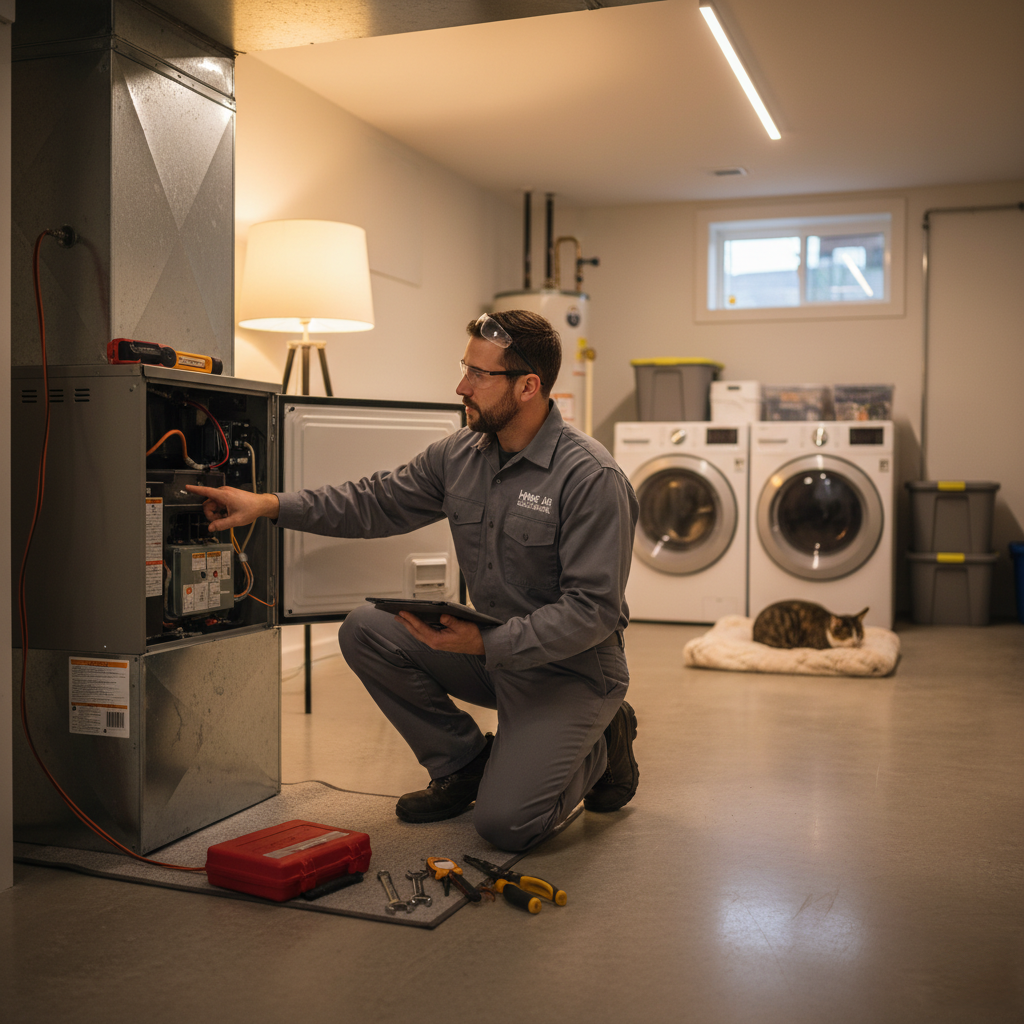
As Toronto prepares for another challenging winter, there's one critical task every homeowner should prioritize: ensuring your furnace is ready for the months ahead. Winter 2024-2025 is predicted to bring typical Toronto extremes—bone-chilling temperatures that can dip below -20°C, sudden cold snaps, and extended periods of sub-zero weather.
The last thing you want is to wake up on the coldest morning of the year to discover your furnace has failed. Not only is this uncomfortable and potentially dangerous, but emergency repairs during peak winter can be both expensive and difficult to schedule. The good news? With proper preparation now, you can avoid these problems entirely.
Why Pre-Winter Furnace Preparation Matters
Many Toronto homeowners make the mistake of waiting until the first cold day to turn on their furnace. By then, if there's a problem, you're already in an emergency situation. Pre-winter preparation offers several critical benefits:
- Avoid emergency breakdowns: Most furnace failures happen on the coldest days when systems are working hardest. Catching issues early means repairs happen on your schedule, not winter's.
- Lower energy costs: A well-maintained furnace operates 15-20% more efficiently, translating to significant savings over a 5-6 month heating season.
- Extend equipment life: Furnaces are expensive investments. Proper preparation and maintenance can add years to your system's lifespan.
- Ensure safety: Furnace problems can lead to carbon monoxide leaks and other serious safety hazards. Pre-season inspection catches these risks before they become emergencies.
- Better scheduling and pricing: HVAC companies are far less busy in early fall. You'll get better appointment times and may even find pre-season maintenance specials.
8-Step Homeowner Furnace Preparation Checklist
Follow these essential steps to get your Toronto furnace ready for winter 2024-2025:
Step 1: Test Your Furnace Early
Don't wait until November to turn on your heat for the first time. In early October, when outdoor temperatures are still mild, turn your thermostat to heating mode and set it a few degrees above room temperature. Listen and watch as the system starts up:
- Does the furnace ignite smoothly?
- Do you hear any unusual noises—banging, grinding, or squealing?
- Does warm air start flowing within a few minutes?
- Are all rooms heating evenly?
If you notice any problems during this test run, you have time to address them before you actually need heat.
Step 2: Replace Your Air Filter
This simple task is the single most important thing you can do for your furnace. A clogged filter forces your system to work harder, wasting energy and causing unnecessary wear. Before winter starts, install a fresh filter. During heating season (November through March), check it monthly and replace as needed—typically every 1-3 months depending on your home's conditions.
Step 3: Clear the Area Around Your Furnace
Your furnace needs proper clearance for safety and efficiency. Remove any items stored within three feet of the unit, including boxes, cleaning supplies, laundry, or holiday decorations. This reduces fire risk and ensures proper airflow for your system.
Step 4: Check All Vents and Registers
Walk through your home and inspect every heating vent and return air register:
- Remove any dust buildup with a vacuum
- Ensure furniture, curtains, or rugs aren't blocking airflow
- Verify all vents are fully open (closing vents doesn't save energy—it actually strains your system)
- Look for any visible damage or disconnections
Step 5: Inspect Exterior Vents and Intake Pipes
If you have a high-efficiency furnace (common in newer Toronto homes), it likely has PVC pipes exiting through an exterior wall. Check these pipes now and plan to monitor them throughout winter:
- Ensure they're not blocked by leaves, debris, or bird nests
- Verify the pipe ends are intact and undamaged
- Note their location so you can keep them clear of snow throughout winter
Blocked intake or exhaust vents can cause your furnace to shut down or, worse, create dangerous carbon monoxide situations.
Step 6: Test Your Thermostat
Your thermostat is the brain of your heating system. Replace batteries if you have a battery-powered model (do this annually as a precaution). Test that it's accurately reading room temperature and responding properly to adjustments. Consider upgrading to a programmable or smart thermostat—they pay for themselves quickly through energy savings.
Step 7: Check Carbon Monoxide Detectors
This is a critical safety step. Test all carbon monoxide detectors in your home, particularly those near bedrooms and your furnace. Replace batteries and replace any units more than 7 years old. If you don't have CO detectors, install them immediately—they're inexpensive and can save lives.
Step 8: Schedule Professional Maintenance
While the DIY steps above are important, professional maintenance is essential. A trained technician will inspect components you can't safely check yourself, including the heat exchanger, burners, gas connections, and electrical systems. They'll also clean, adjust, and optimize your furnace for peak performance.
Toronto-Specific Winter Considerations
Toronto's climate presents unique challenges that homeowners should prepare for:
Extreme Cold Preparation
When temperatures plunge to -15°C or lower, furnaces work continuously. Make sure your system is ready for this sustained demand. Consider having a backup heating source (space heater, fireplace) available for emergencies.
Snow and Ice Management
Heavy snowfall can block exterior vents. After major snowstorms, always check that furnace intake and exhaust pipes are clear. Even a partial blockage can cause system shutdown or dangerous conditions.
Ice Damming Awareness
Poor attic insulation (often related to ductwork issues) can contribute to ice dams on your roof. If you notice ice dams forming, it may indicate heat loss that's also wasting energy and money.
Power Outage Preparedness
Winter storms can cause power outages. Know how to safely restart your furnace after power is restored. Never run gas-powered generators indoors, even in a garage—carbon monoxide poisoning is a serious risk.
Signs You Need Professional Help
During your preparation and testing, watch for these warning signs that require immediate professional attention:
- Yellow or orange flame: Your burner flame should be steady and blue. Yellow or flickering flames indicate incomplete combustion and potential carbon monoxide issues.
- Strange odours: While a slight dusty smell when first turning on heat is normal, gas odours, burning smells, or persistent musty odours require immediate investigation.
- Unusual sounds: Banging, grinding, squealing, or rattling sounds indicate mechanical problems that will only worsen under winter's demands.
- Frequent cycling: If your furnace turns on and off more frequently than usual, it's struggling and needs professional diagnosis.
- Poor heat distribution: Some rooms staying cold while others overheat suggests ductwork issues or system imbalance.
- Age concerns: If your furnace is 15+ years old and showing any issues, have it inspected immediately. Older systems are more likely to fail during peak demand.
Get Your Furnace Winter-Ready Today
Don't wait until the first freeze to discover your furnace isn't ready for winter. Aire Master Heating and Cooling specializes in pre-season furnace inspections and maintenance for Toronto homeowners.
Our experienced technicians will thoroughly inspect, clean, and optimize your heating system, ensuring it's ready for whatever winter 2024-2025 brings. We'll catch potential problems now, before they become expensive emergencies.
Call us today at (416) 995-4747 to schedule your pre-winter furnace inspection, or request a free quote online.
The Cost of Being Prepared
Some homeowners hesitate to invest in pre-season maintenance, but consider the alternative:
Professional pre-season maintenance: $150-$200
Emergency service call in January: $300-$500 just to diagnose
Emergency repair costs: $500-$2,000+
Hotel stay if furnace fails overnight: $150-$300 per night
Burst pipes from frozen home: $5,000-$20,000 in damages
The small investment in preparation provides enormous returns in reliability, efficiency, and peace of mind.
Create Your Winter Preparation Timeline
Here's when to tackle each task:
Early October:
- Test furnace operation
- Schedule professional maintenance
- Replace air filter
Mid-October:
- Complete professional maintenance appointment
- Address any issues discovered during inspection
- Test and replace carbon monoxide detectors
Late October:
- Final check of all vents and registers
- Program thermostat for winter schedule
- Clear furnace area and exterior vents
Throughout Winter:
- Check and replace filters monthly
- Keep exterior vents clear of snow
- Monitor for unusual sounds or performance issues
Final Thoughts
Winter in Toronto is predictable in only one way—it will be cold, and your furnace will be essential to your family's comfort and safety. Taking the time now to properly prepare your heating system is one of the smartest investments you can make as a homeowner.
The eight steps outlined above will help ensure your furnace is ready for winter 2024-2025. While some tasks you can handle yourself, professional maintenance is crucial for safety, efficiency, and reliability. Don't leave your family's comfort to chance—prepare now and enjoy worry-free warmth all winter long.