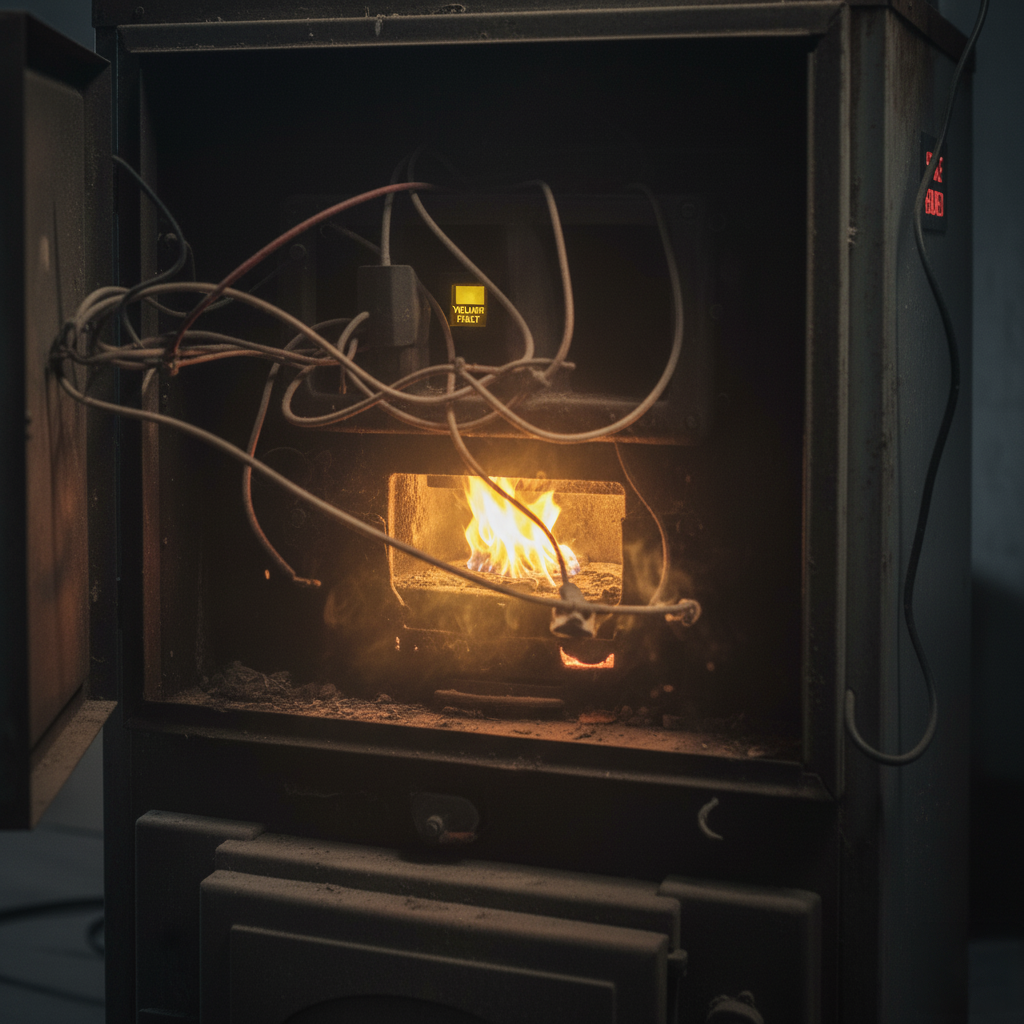
There's never a good time for your furnace to break down, but there are definitely worse times—like when Toronto temperatures plummet to -15°C and HVAC companies are booked solid with emergency calls. The good news? Your furnace usually gives plenty of warning before it fails completely.
Recognizing these warning signs early can save you from a cold house, costly emergency repairs, and the stress of waiting days for service during the busiest time of year. Let's look at the five most common indicators that your furnace needs professional attention now, before winter arrives in full force.
1. Strange Noises Coming from Your Furnace
Your furnace should run relatively quietly with just a gentle hum. If you're hearing any of these sounds, it's time to call for furnace repair in Toronto:
Banging or Booming
A loud bang when your furnace starts up often indicates delayed ignition. This happens when gas builds up before igniting, creating a small explosion. This isn't just annoying—it's dangerous and can damage your heat exchanger. In Toronto's older homes, this is especially common in furnaces over 15 years old.
Squealing or Screeching
High-pitched squealing typically means a worn or loose blower belt, or issues with the blower motor bearings. While not immediately dangerous, this problem will worsen quickly and can lead to complete system failure.
Rattling or Vibrating
Rattling sounds often point to loose panels, screws, or ductwork. Sometimes it's a simple fix, but it can also indicate a cracked heat exchanger—a serious safety issue that requires immediate attention.
Constant Clicking
While clicking when starting up is normal, continuous clicking suggests a faulty ignition system or malfunctioning thermostat.
What to do: Turn off your furnace if you hear banging or smell gas, and call an HVAC professional immediately. For other noises, schedule a service appointment soon—before the problem worsens.
2. Uneven Heating Throughout Your Home
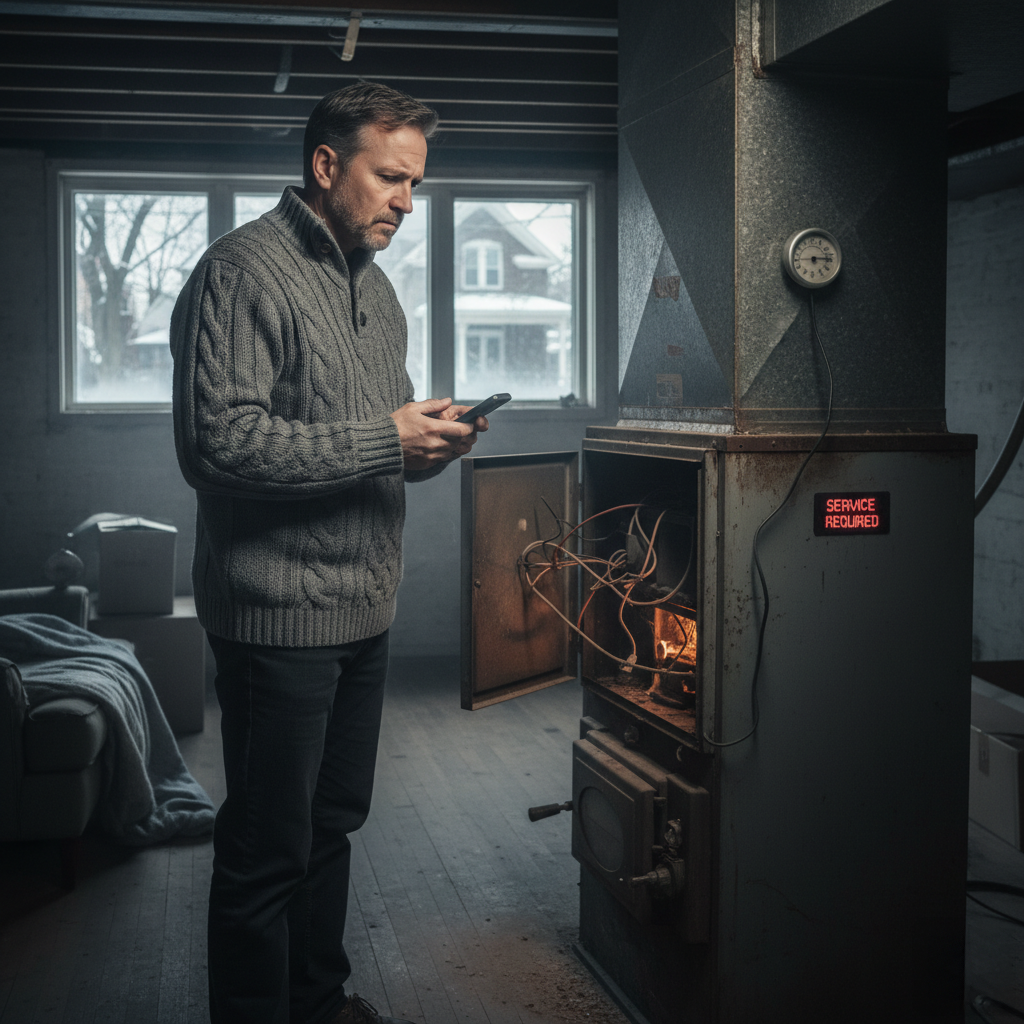
Walking from a warm living room into a freezing bedroom isn't just uncomfortable—it's a sign something's wrong with your heating system.
Common Causes of Uneven Heating:
- Ductwork problems: Leaks, disconnections, or blockages in your ducts prevent warm air from reaching certain rooms. This is particularly common in older Toronto homes with aging duct systems.
- Dirty or clogged filters: When airflow is restricted, some rooms get less heat than others.
- Thermostat issues: An incorrectly placed or malfunctioning thermostat can cause your furnace to cycle improperly.
- Undersized furnace: If your furnace can't keep up with Toronto's cold, it might be too small for your home's square footage.
- Failing blower motor: A weak blower can't push air through your entire home effectively.
Many GTA homeowners assume cold spots are just part of living in an older home, but proper heating should reach every room. If you're constantly adjusting the thermostat or piling on blankets in certain rooms, your furnace needs professional attention.
3. Rising Energy Bills Without Increased Usage
Toronto winters are expensive enough without your furnace wasting energy. If your gas or electricity bills are climbing but your usage habits haven't changed, your furnace is likely working inefficiently.
Why This Happens:
As furnaces age or develop problems, they have to run longer to achieve the same temperature. Common efficiency killers include:
- Dirty burners that can't heat air effectively
- Clogged air filters forcing the system to work harder
- Ductwork leaks losing heat before it reaches your rooms
- Aging components that no longer operate at peak performance
- Thermostat problems causing excessive cycling
The numbers: A well-maintained furnace should maintain consistent operating costs year over year (accounting for rate changes). If your bills have jumped 15-20% or more compared to last winter, that's a red flag.
Many Toronto homeowners notice this in their first gas bill of the season—October or November—when the furnace kicks into regular use. Don't ignore it. The longer you wait, the more money you're wasting.
4. The Furnace is Short Cycling
Short cycling means your furnace turns on and off repeatedly in short bursts rather than running in steady cycles. You might notice your home never quite reaches the temperature you've set, or the furnace seems to be constantly turning on and off.
Why Short Cycling is Serious:
- Dramatically increases wear: Starting up is the hardest work your furnace does. Constant cycling can shorten its lifespan by years.
- Wastes energy: Your furnace is least efficient when starting up, so frequent cycling sends your energy bills soaring.
- Poor comfort: Your home never reaches proper temperature, leaving you cold despite the furnace running constantly.
- Can indicate serious problems: Short cycling often points to issues like a cracked heat exchanger or clogged heat exchanger.
Common Causes:
- Dirty air filter restricting airflow
- Oversized furnace for your home's size
- Malfunctioning thermostat
- Corroded flame sensor
- Blocked vents or registers
While some causes are simple fixes, others require professional diagnosis. Don't let short cycling continue—it's damaging your system every day.
5. Yellow Burner Flame or Unusual Odours
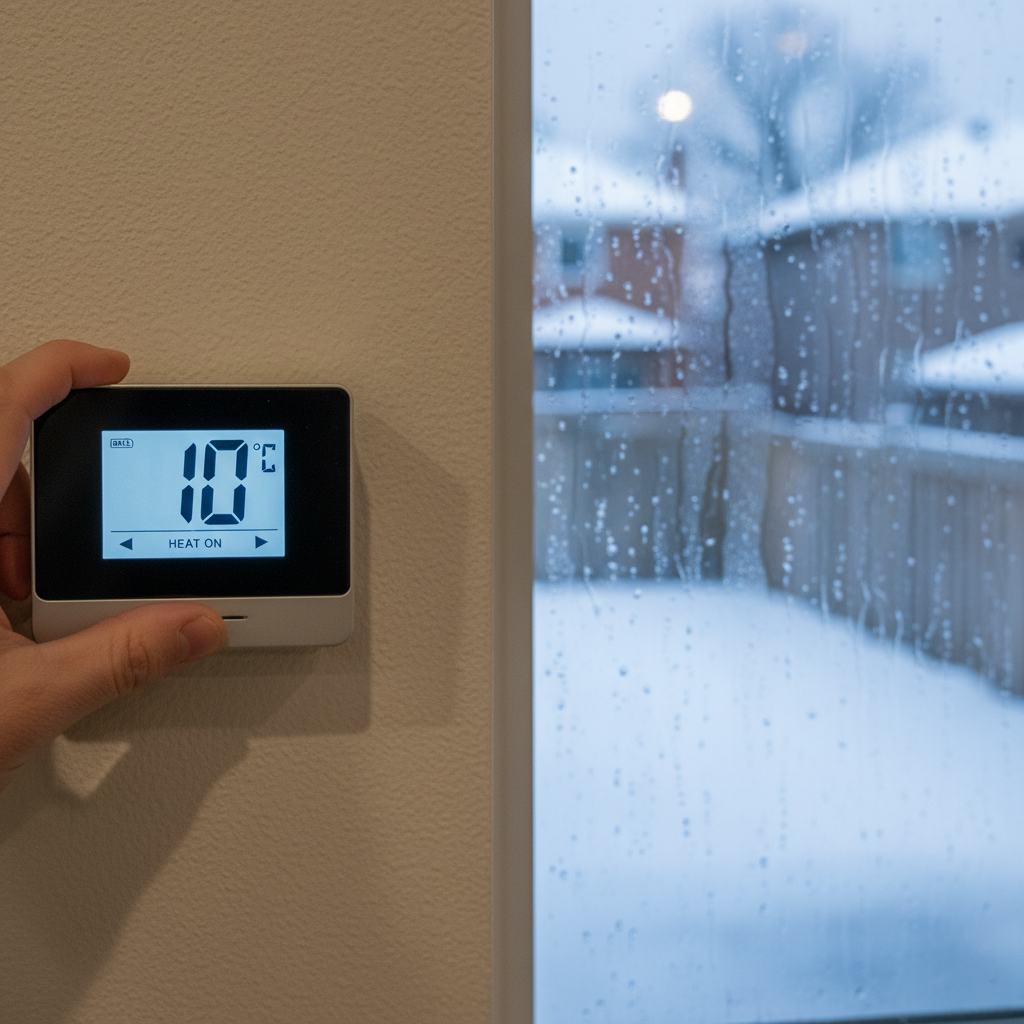
This is the most serious warning sign on our list. Your furnace's burner flame should be steady and blue. A yellow, orange, or flickering flame is a safety hazard that requires immediate attention.
Why a Yellow Flame is Dangerous:
A yellow flame indicates incomplete combustion, which can produce carbon monoxide—a colourless, odourless gas that's potentially deadly. Toronto sees several carbon monoxide poisoning cases every winter, often from malfunctioning furnaces.
Warning Signs of Carbon Monoxide:
- Yellow or orange flame (should be blue)
- Soot buildup around your furnace
- Excess moisture on windows near the furnace
- Rusting on vent pipes
- Your carbon monoxide detector goes off
Other Concerning Smells:
- Gas smell: Natural gas has an added odour (like rotten eggs) for safety. If you smell gas, leave immediately and call your gas company.
- Burning smell on first use: Normal if it's the first time running your furnace this season (dust burning off), but should disappear after 20-30 minutes.
- Persistent burning smell: Could indicate electrical problems, overheating, or something stuck in your system.
- Musty or mouldy smell: Suggests moisture problems or mould growth in your ductwork or furnace.
What to do: If you see a yellow flame or smell gas, shut off your furnace immediately and call for emergency service. For other persistent odours, schedule a professional inspection as soon as possible.
Don't Wait for a Complete Breakdown
If you've noticed any of these warning signs, don't wait until your furnace fails completely. Emergency repairs during Toronto's coldest days are stressful, expensive, and can leave your family without heat for days while technicians work through a backlog of calls.
Aire Master Heating and Cooling provides professional furnace repair throughout Toronto and the GTA. Our certified technicians can diagnose and fix problems before they become emergencies.
Call us today at (416) 995-4747 to schedule your furnace inspection.
When to Repair vs. Replace
If your furnace is showing multiple warning signs, you might be wondering whether repair or replacement makes more sense. Here's a quick guide:
Consider Repair If:
- Your furnace is less than 15 years old
- The problem is isolated to one component
- Repair costs are less than 50% of replacement cost
- Your energy bills are still reasonable
Consider Replacement If:
- Your furnace is 15-20+ years old
- You're facing a major repair (cracked heat exchanger, failed blower motor)
- Energy bills have been steadily climbing
- You've needed multiple repairs in recent years
A qualified HVAC technician can provide honest advice about whether repair or replacement makes more financial sense for your situation.
Prevention is Better Than Repair
While some furnace problems are unavoidable, many can be prevented with regular maintenance. Annual professional tune-ups catch small issues before they become big problems. This is especially important for Toronto homeowners given how hard our furnaces work during the long heating season.
A comprehensive furnace maintenance appointment includes:
- Cleaning and inspecting burners
- Testing safety controls
- Checking and cleaning heat exchangers
- Lubricating moving parts
- Testing thermostat accuracy
- Inspecting electrical connections
- Measuring airflow and adjusting as needed
Take Action Before Winter
October is the perfect time to address furnace problems. HVAC companies aren't yet slammed with emergency calls, parts are readily available, and you can schedule service at your convenience rather than waiting in a queue behind dozens of frozen homes.
Don't ignore warning signs from your furnace. A small problem in October becomes an expensive emergency in January. Whether it's strange noises, uneven heating, rising bills, short cycling, or concerning smells and flames, professional attention now can save you money, stress, and cold nights.
Your furnace is telling you something—are you listening?